

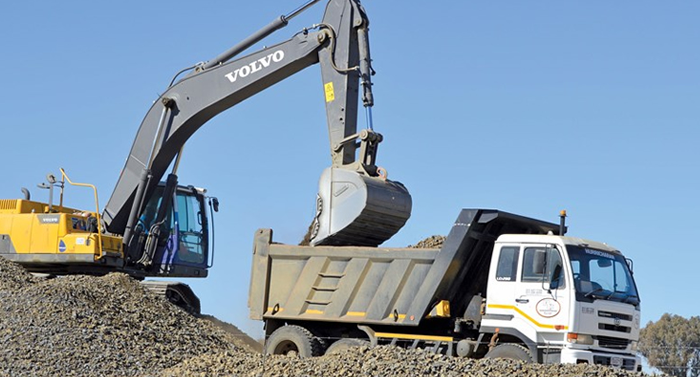
When undertaking a construction project in Kenya, one of the crucial aspects to consider is sourcing high-quality construction materials. The availability and proper selection of materials greatly influence the durability, safety, and overall success of the project. In article, Kenjos Supreme Ventures Limited will provide you with a comprehensive guide on how to source construction materials in Kenya, ensuring that you have the right materials at the right time and within budget.
-
-
- Research and Planning:Before embarking on the material sourcing process, conduct thorough research and create a detailed project plan. Identify the specific materials required for each construction phase, considering factors such as quality standards, project specifications, and sustainability requirements. This initial planning phase will provide a clear roadmap for your material sourcing efforts.
- Engage Local Suppliers:Leverage the extensive network of local suppliers in Kenya to source construction materials. Engaging with local suppliers offers several advantages, including proximity, familiarity with local regulations and standards, and potentially lower transportation costs. Attend trade fairs, visit supplier showrooms, and establish relationships with reliable local suppliers to ensure a smooth procurement process.
- Seek Recommendations and References:Consult industry professionals, architects, contractors, and colleagues who have previously undertaken construction projects in Kenya. Seek their recommendations and references for reputable suppliers who provide high-quality materials. Their firsthand experience and insights can help you identify reliable sources and avoid potential pitfalls during the sourcing process.
- Quality Assurance:Ensure that the materials you source meet the required quality standards and adhere to relevant regulations. Request product samples, certifications, and test reports from suppliers to verify the quality and compliance of the materials. Consider engaging independent quality control agencies to conduct inspections and tests, particularly for critical materials such as structural components.
- Price Comparison and Negotiation:Obtain multiple quotations from different suppliers to compare prices and negotiate favorable terms. While cost is an important factor, it should not be the sole determinant. Balance price considerations with material quality, delivery timelines, and after-sales support. Seek clarification on any hidden costs, warranties, or return policies to make informed decisions.
- Timely Delivery and Logistics:Ensure that the chosen suppliers have a track record of reliable and timely deliveries. Construction projects require a well-coordinated supply chain, so discuss delivery schedules and logistics arrangements upfront. Consider factors such as transportation, storage, and handling of materials to prevent delays or damage during transit.
- Sustainable and Eco-Friendly Materials:Embrace sustainability by sourcing eco-friendly construction materials. Look for suppliers who offer sustainable options such as recycled materials, low-emission products, and energy-efficient solutions. Consider materials with green certifications, such as Leadership in Energy and Environmental Design (LEED) or Environmental Product Declarations (EPDs), to reduce the environmental impact of your project.
- Payment Terms and Financial Management:Discuss payment terms and financial arrangements with suppliers to ensure a smooth procurement process. Establish clear terms regarding deposits, progress payments, and final settlements. Maintain accurate records of payments and invoices to facilitate financial management and budget tracking throughout the project.
- Ongoing Supplier Relationships:Cultivate long-term relationships with reliable suppliers. Building strong partnerships ensures a steady supply of quality materials for future projects.
-
Sourcing construction materials in Kenya requires careful planning, research, and engagement with reliable suppliers such Kenjos Supreme Ventures Limited. By following this comprehensive guide, you can ensure that your project benefits from high-quality materials, cost-effective pricing, and sustainable solutions. Remember to prioritize quality, reliability, and adherence to local regulations when selecting suppliers. With the right sourcing strategy in place, you can set the foundation for a successful construction project in Kenya.